


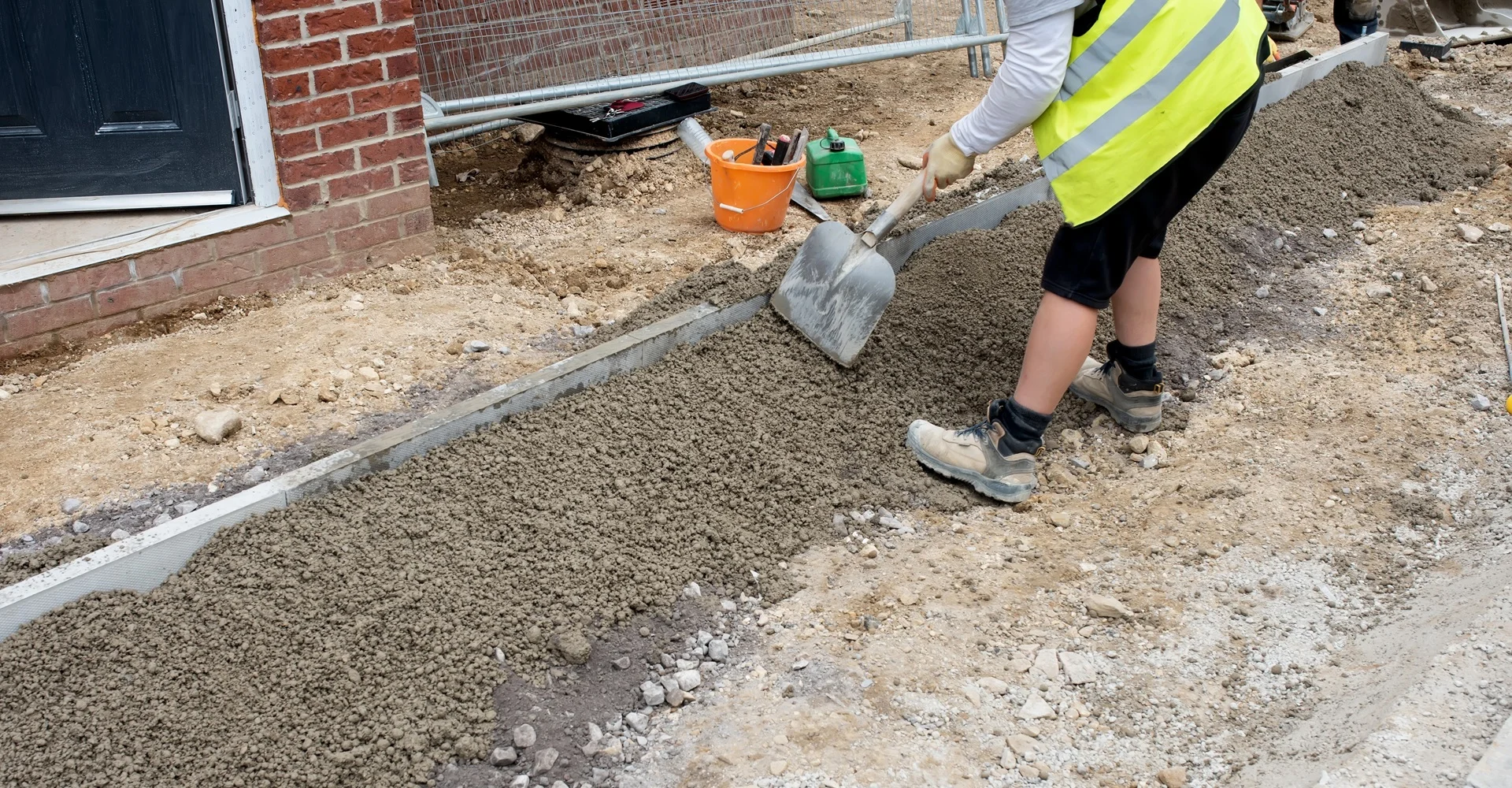
Groundworks form the foundation of any construction project. Cutting corners may seem like a way to save money, but poor groundworks often result in hidden costs that affect timelines, safety, and long-term structural integrity. Developers, contractors, and councils must understand these risks to avoid expensive setbacks.
Delays and Project Setbacks
One of the most immediate consequences of poor groundworks is project delays. Issues such as unstable soil, inadequate drainage, or improperly managed excavations can halt construction unexpectedly.
Common causes of delays include:
- Waterlogged soil or poor drainage
- Uneven subgrades requiring additional machinery
- Excavation errors that need correction
- Late approvals due to inadequate planning
These delays increase labour costs, extend equipment hire, and push back project completion dates, often costing far more than the initial “savings” from cutting corners.
Structural Risks and Safety Concerns
Poor groundworks can compromise the structural integrity of a project, creating long-term risks:
- Subsidence affecting foundations and pavements
- Inadequate soil compaction leading to uneven surfaces
- Weak subgrades impacting road construction quality
In highways and Section 278 projects, structural issues can also pose safety hazards, leading to liability claims or emergency repairs that add significant costs and disruption.
Drainage Failures and Environmental Impact
Inadequate drainage is a common hidden cost. Improperly installed or neglected systems can cause:
- Flooding or waterlogging
- Erosion and damage to the surrounding infrastructure
- Long-term maintenance challenges
Tip: Always integrate drainage and sewer works with specialist groundworks planning to prevent costly remediation. Sustainable solutions such as proper grading, SuDS (Sustainable Urban Drainage Systems), and approved sewer connections are key.
Reputation and Client Trust
Hidden costs are not just financial; they also affect your reputation. Poor groundworks resulting in delays, repeated fixes, or safety incidents can:
- Damage client relationships
- Reduce repeat business opportunities
- Negatively affect public perception of the project
Investing in skilled contractors and proper planning ensures a smooth process, on-time delivery, and satisfied clients.
How to Avoid Hidden Costs
To minimise risks and extra costs, follow these best practices:
- Conduct thorough site surveys before starting work
- Use experienced groundworks contractors
- Implement modern construction techniques
- Plan for adequate drainage and soil stability
- Regularly inspect and monitor ground conditions during construction
Conclusion
In civil engineering, what lies beneath the surface is just as important as what’s visible above. Proper groundworks protect your project’s timeline, safety, and structural integrity. By prioritising quality and expertise from the outset, you can avoid costly mistakes and ensure your project succeeds.