


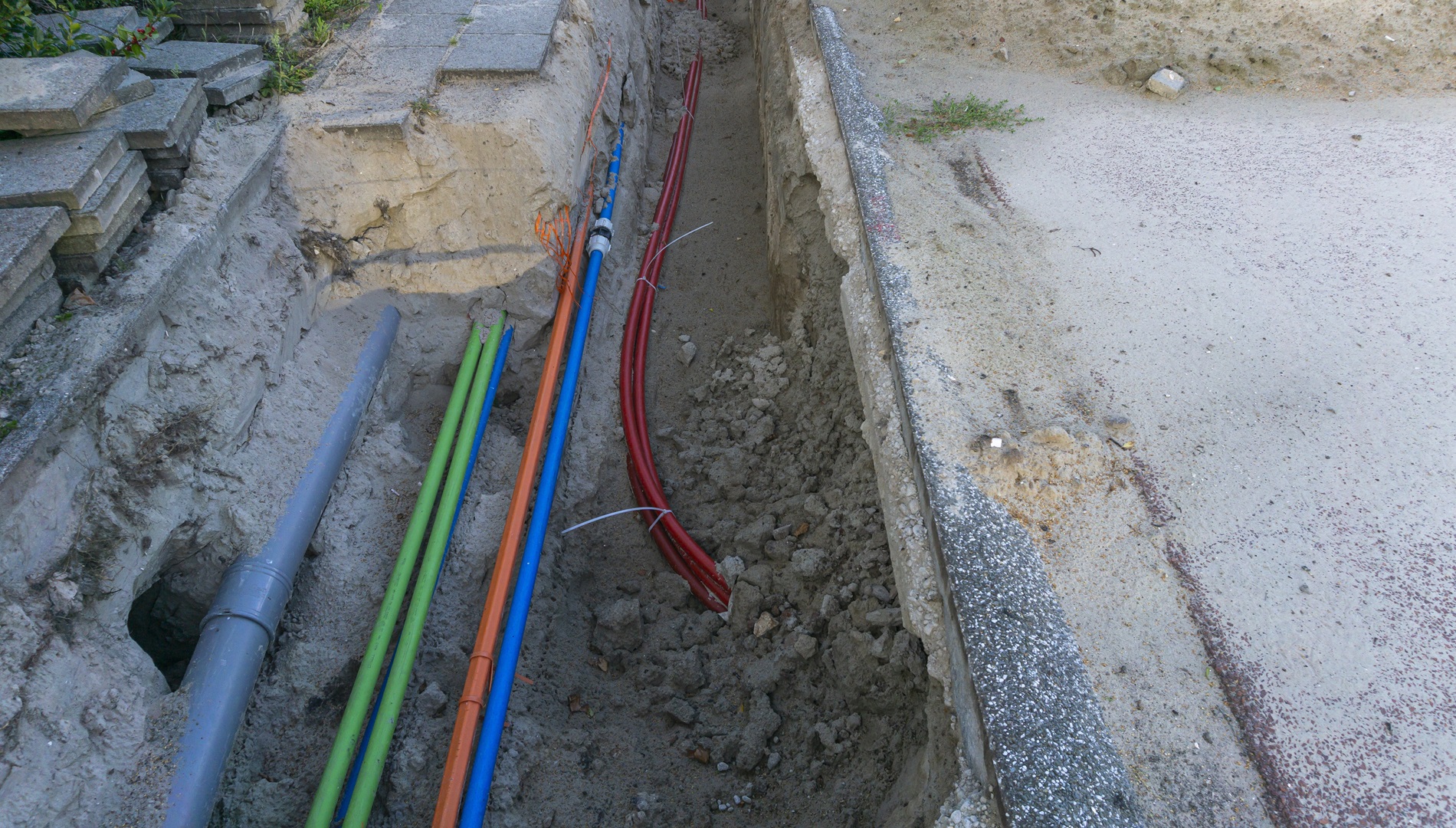
Before any major construction project begins, understanding what lies beneath the ground is essential. Underground utilities, including water pipes, sewers, gas mains and electrical cables, can create significant challenges if they aren’t properly identified during the planning stages.
For developers and civil engineering contractors, underground utility mapping plays an important role in preventing unexpected delays, protecting existing infrastructure and ensuring construction work can proceed safely.
What Is Underground Utility Mapping?
Underground utility mapping involves identifying and locating existing services beneath a construction site. This information helps contractors understand potential obstacles before excavation or groundworks begin.
Common underground utilities include:
- Water mains and sewer networks
- Gas pipelines
- Electricity cables
- Telecommunications infrastructure
- Existing drainage systems
Knowing where these services are located allows construction teams to plan their work more effectively and reduce the risk of accidental damage.
How Can Hidden Utilities Affect Construction Projects?
Unidentified underground services can cause serious complications during construction. Accidentally damaging a pipe or cable may result in costly repairs, disruption to nearby properties and significant project delays.
Some of the most common consequences include:
- Unexpected excavation delays
- Additional repair and labour costs
- Disruption to essential public services
- Increased safety risks for construction workers
- Changes to drainage or highway designs
These challenges are particularly relevant to highway construction and specialist groundworks, where excavation often takes place close to existing infrastructure.
The Importance of Early Site Investigations
Thorough site investigations help identify potential problems before construction begins. Contractors can use utility records, specialist surveys and appropriate verification methods to build a clearer picture of underground conditions.
However, utility mapping is only one part of effective project preparation. Involving experienced civil engineers early can help developers anticipate challenges and avoid unnecessary expenses.
Combining early investigations with careful planning helps ensure projects are delivered efficiently.
How Experienced Civil Engineering Contractors Can Help
Working with experienced civil engineering contractors is essential when managing complex underground infrastructure.
Professional contractors can coordinate groundworks, drainage installations and highway construction while considering the location of existing utilities.
This joined-up approach helps minimise disruption, maintain safety and ensure that different stages of construction work together effectively.
Plan Ahead with SB Civils
Underground utility mapping is an important part of successful construction planning. Identifying existing services early can help prevent unexpected costs, protect infrastructure and keep projects moving forward.
At SB Civil Engineering, we have extensive experience delivering specialist groundworks, drainage and sewer works, and highway construction projects across London and the South East.
If you’re planning a construction project, contact SB Civils to discuss your civil engineering requirements.