


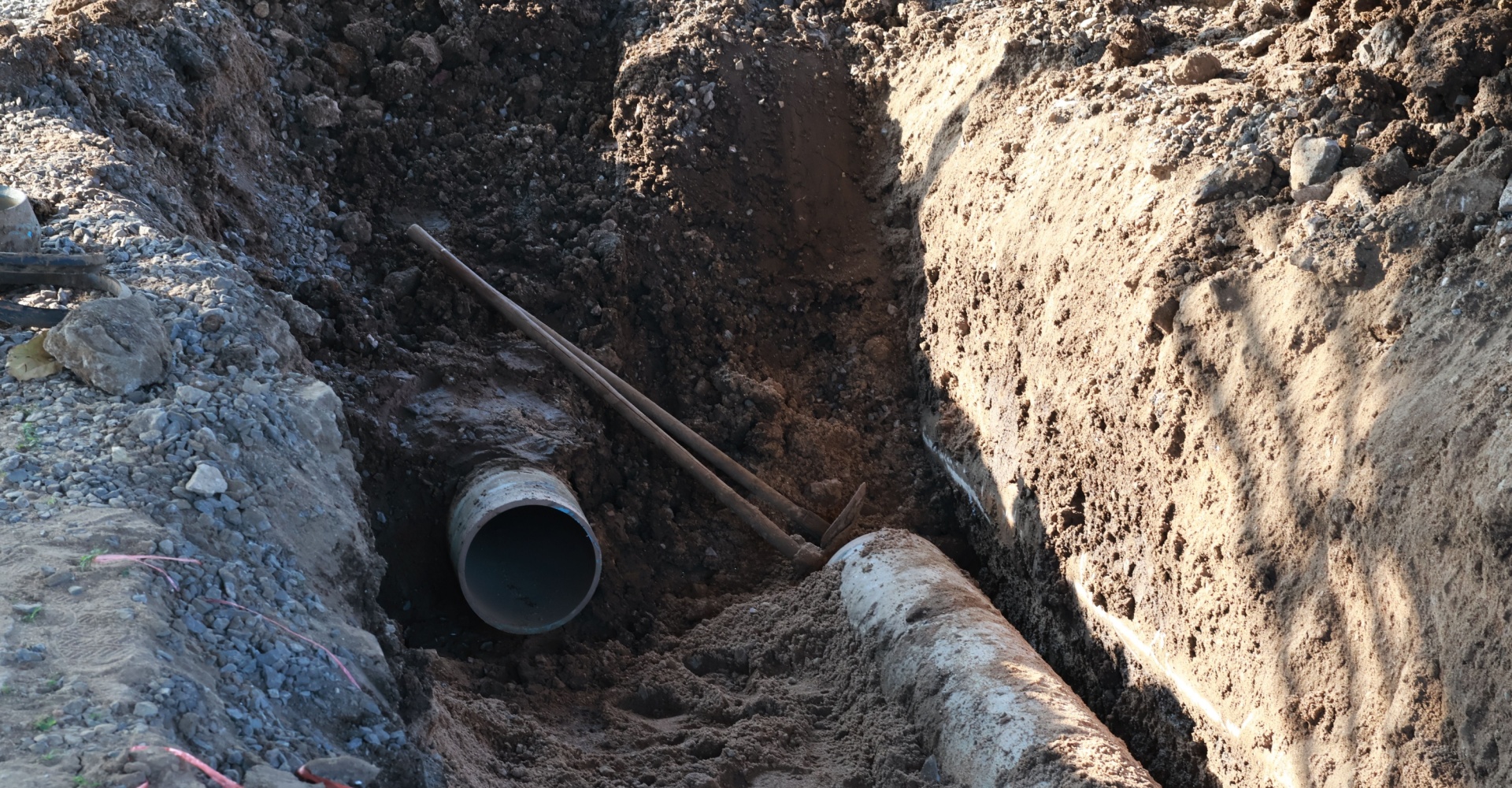
Ground conditions play a critical role in the success of highway and drainage projects. What lies beneath the surface can significantly influence how infrastructure is designed, built, and maintained. For civil engineering works, particularly highways, Section 278 schemes, and drainage installations, understanding ground conditions early is essential to avoiding costly issues later on.
Soil Types and Ground Stability
Different soil types behave in different ways, and this directly affects both highway construction and drainage design. Clay soils, for example, are prone to expansion and shrinkage depending on moisture levels, which can lead to cracking or movement in road surfaces. Sandy or gravel-based soils generally offer better drainage but may lack the load-bearing strength required without additional ground stabilisation.
Common challenges linked to soil conditions include:
- Poor load-bearing capacity requiring soil improvement
- Settlement or subsidence beneath carriageways and footpaths
- Increased risk of surface cracking over time
Proper groundworks ensure that highways are constructed on stable foundations, reducing long-term maintenance costs and safety risks.
Water Tables and Drainage Challenges
High water tables present significant challenges for both highways and sewer infrastructure. When groundwater levels are high, excavation becomes more complex, increasing the risk of flooding, ground instability, and delays during construction.
Effective drainage design must account for groundwater behaviour to ensure water is safely managed away from highways and surrounding infrastructure. This is where the experience of a professional sewer work contractor is vital. Incorrectly designed or poorly installed drainage systems can result in water pooling beneath road surfaces, erosion, or damage to nearby assets.
Drainage considerations often include:
- Managing groundwater during excavation
- Preventing water ingress into sewer systems
- Designing long-term solutions to cope with heavy rainfall
Why Site Surveys Matter
Comprehensive site surveys are essential for identifying ground risks before work begins. Ground investigations help engineers understand soil composition, water levels, and potential constraints that could impact construction.
Without accurate survey data, designs may need to be altered mid-project, leading to delays, increased costs, and compromised safety. Early surveys allow highway and drainage designs to be tailored to site-specific conditions, ensuring works are delivered efficiently and to the required standards.
A Joined-Up Approach to Infrastructure
Groundworks, highways, and drainage are closely linked. By understanding ground conditions from the outset and working with experienced civil engineering and sewer work contractor teams, projects can be delivered safely, on time, and with long-term performance in mind. Getting the groundwork right truly sets the foundation for success.